
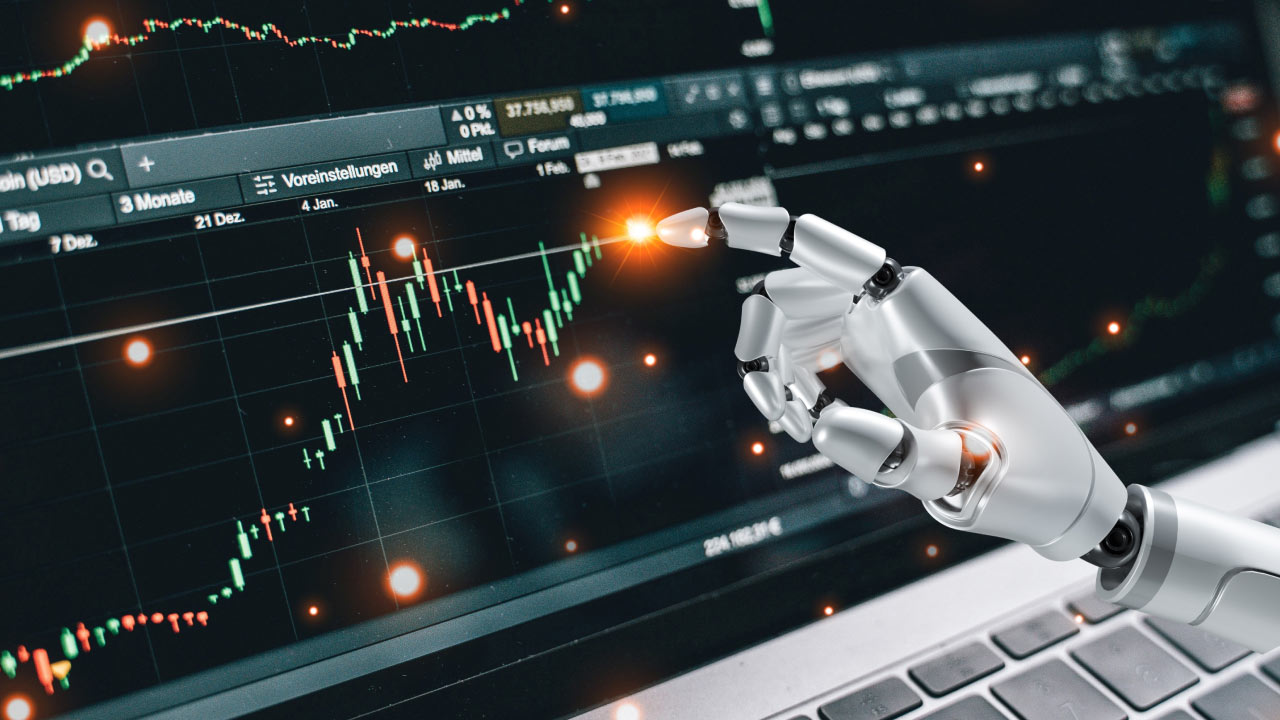
Forex futures trading is a method that is highly organized and transparent to join the currency market of the world. Forex spot is a market that works through decentralized brokers, but forex futures are the opposite; they are standardized contracts that are purchased and sold only in the regulated exchanges. The market structure this way provides traders with the exact price, central liquidity, and tighter control of the regulations. Grasping forex futures trading for children and adults is an important factor to gain the confidence of long-term trading, particularly when learning is involved with Paper Trading.
Understanding Forex Futures Trading
The central concept of forex futures trading is the going long or short on a standardized contract that stands for the specific currency pair at a set price and date in the future. The contracts are made through exchanges like CME, where each contract owns specific features of size, expirations, and tick value. With this standardization, the major uncertainties that come with forex trading over-the-counter are eliminated.
Institutional traders, hedge funds, and professional speculators are the ones who most commonly take advantage of the forex futures market. High liquidity and transparent order flow are the main features that attract these large players. Retail traders are also coming to them, particularly those who prefer regulated settings and straightforward market data. Traders have the benefit of seeing futures data, such as volume and open interest, to gain a more profound understanding of market participation and sentiment.
How Forex Futures Differ from Spot Forex
One fundamental difference between forex futures trading and spot forex is the place where they are traded. Futures are traded in the exchange while spot forex is normally traded through brokers. This difference impacts the spreads, pricing transparency, and execution quality. The futures markets also have specified trading hours and centralized
A further major distinction that needs to be mentioned is leverage. The futures market is standardized and regulated by the exchanges, so the leverage offered by both markets is the same but differs in this way. The combination of this structure along with disciplined position sizing and margin awareness can enable traders to manage risk more efficiently.
The Role of Paper Trading in Forex Futures
Paper Trading is a kind of virtual trading platform where traders can buy and sell by using actual market data but without incurring real losses. In the case of the forex futures market, paper trading enables traders to get an insight of how the prices of futures contracts are affected, how the margin requirements change, and how the price fluctuations affect their profits or losses.
For traders who are just starting in the forex futures trading market, paper trading serves as a link between theory and live execution. It converts the abstract concepts of contract rollover, expiration cycles, and tick values into real experience. By participating in a simulated trading environment, the traders can concentrate on their learning of the mechanics without the enervating factor of real financial risks.
Through Simulation Building Market Confidence
Confidence in trading is not a matter of reading but of prolongation and experience. Paper Trading gives this experience but in a controlled manner. Forex traders can test their strategies, try out various timeframes, and even see how news events affect the currency futures market, all without the fear of losing money.
When traders become accustomed to the various order types, like limit and stop orders, they start to have faith in their execution process. This faith is vital in the transition to the forex futures market where hesitation or uncertainty can result in a loss of a very expensive nature. Paper trading is a process that eliminates guesswork and introduces structured decision-making in its place.
Learning Risk Management Without Financial Stress
Risk management is one of the hardest trading aspects to conquer. However, through Paper Trading, traders can slowly and surely practice their risk management skills by setting stop-loss levels, calculating risk-to-reward ratios, and managing drawdowns. Given that the data represents live markets, the benefits are the same.
In forex futures trading, where the contract sizes are fixed, it is imperative to know the correct position sizing. Paper trading lets the trader realize the accumulator of loss in case risk is wrong, thus helping him/her lose and develop the good habit of being disciplined before real money is put at stake.
Let's talk about the Strategy Development and Performance Review.
The paper trading scenario is a great opportunity for strategy development and is one of the most significant advantages of paper trading. A trader can apply technical, fundamental-based or hybrid ones across different conditions of the market. With each passing day, patterns get built that show which strategies go along best with a given trader's character and risk appetite.
Paper trading performance monitoring not only provides better self-analytical skills but also enables skillful trading. In the first place, traders who analyze their simulated trades will detect the moments when they succumbed to emotional biases or mistimed their entry, as well as when they tended to overtrade. Being aware of one’s emotional aspect in trading is a great asset when trading in live forex futures since emotional control is very often the determining factor for success.
Transitioning from Paper Trading to Live Markets
Paper Trading is undoubtedly a very effective learning method but to obtain the best results it is necessary to have a well thought out transition plan and use it along with Paper Trading. Traders should deal with demo accounts as rigorously as live ones, implementing the same rules and routines. This way traders ensure that the skills mastered through practice in simulation will be the same in live trading.
The moment a trader starts to show consistent performance and emotional discipline in paper trading, the switch to live forex futures trading becomes much less scary. The market seems familiar, the execution feels normal, and the confidence is re-instated.
Conclusion
Forex futures trading provides the marketplace with a clean and structured way of conducting currency transactions. Nonetheless, in this case, good knowledge will not be the only requirement; experience and self-assurance will also be necessary. Paper Trading is the method that links through its characteristics: allowing traders to practice in market conditions without losing money, thus playing a vital part in the learning-execution gap.
Using paper trading to comprehend the market mechanics, to refine the strategies and also to develop disciplined risk management, traders are gradually building up the confidence required to be successful in real conditions. If treated with seriousness and consistency, paper trading will not be just a practice tool, but rather a foundation for long-term success in forex futures markets.